No longer updating, but hope you enjoy the recipes!
Unfortunately, I got too busy to go back to blogging, after I was forced to take a break from it in 2015 because of tendonitis.
But you can still follow my cooking, eating, and travels on instagram: (@spontaneoustomato)
Chilaquiles Verdes (and Tomatillo Salsa)
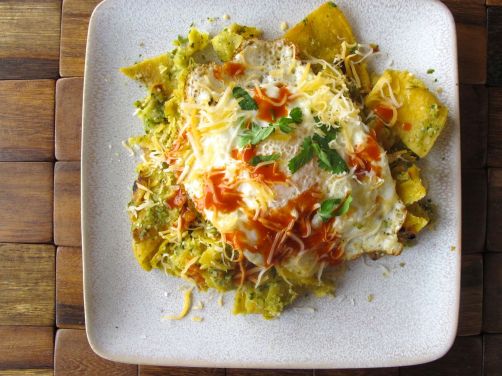

First of all, I know that many of you are already thinking, “what are chilaquiles?” (Or the rest of you, who know about them, are already thinking, “mmmmm.”)
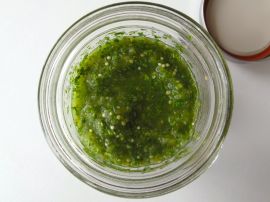

Chilaquiles are torn or cut up corn tortillas, fried in oil till partially crispy, then cooked up with salsa, so that they just begin to soften again, then topped with cheese and—for the best breakfast ever—poached or fried eggs. And chilaquiles verdes are made with green tomatillo salsa, rather than red salsa or mole.


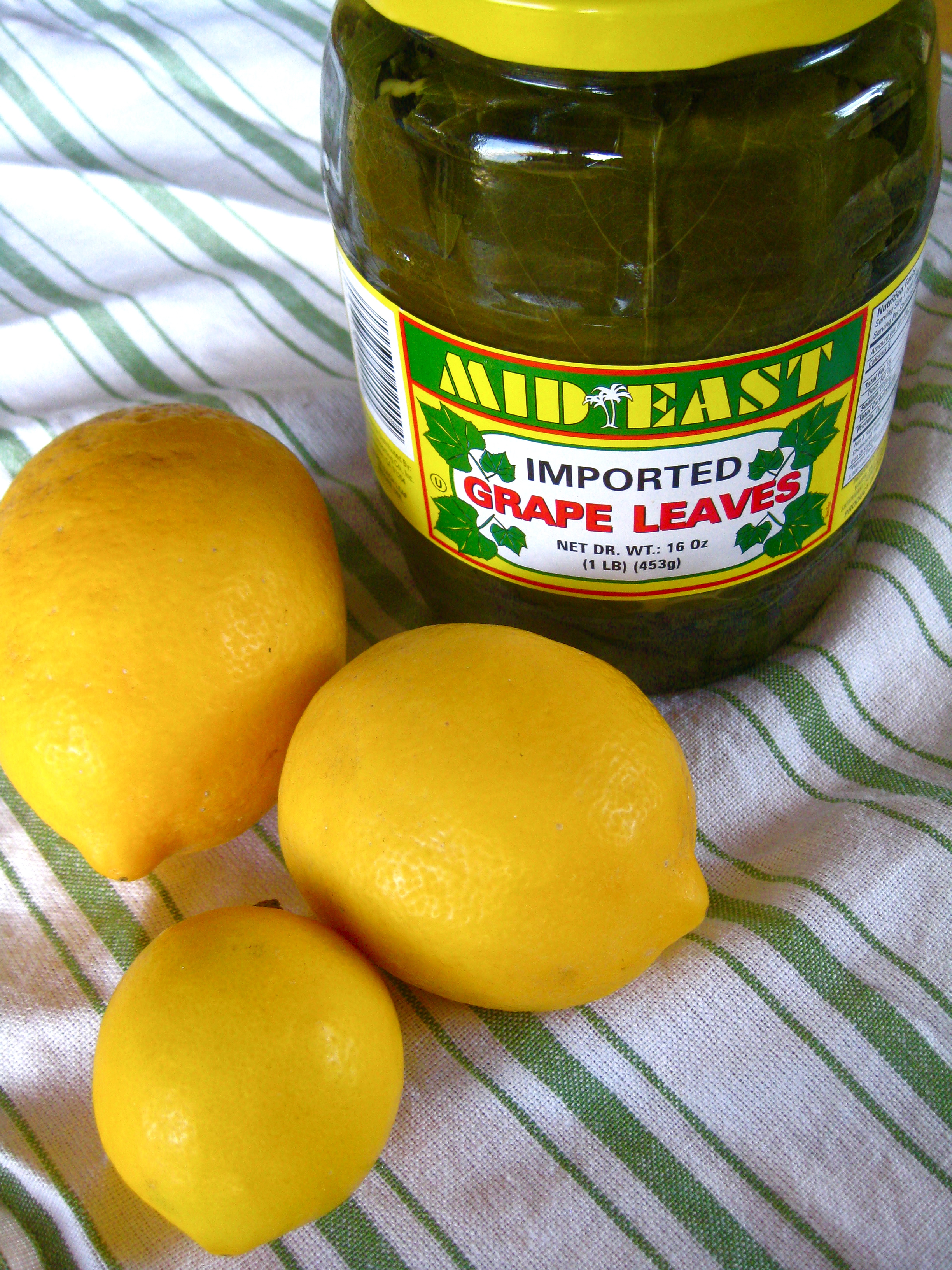
Dolmas (Stuffed Grape Leaves)
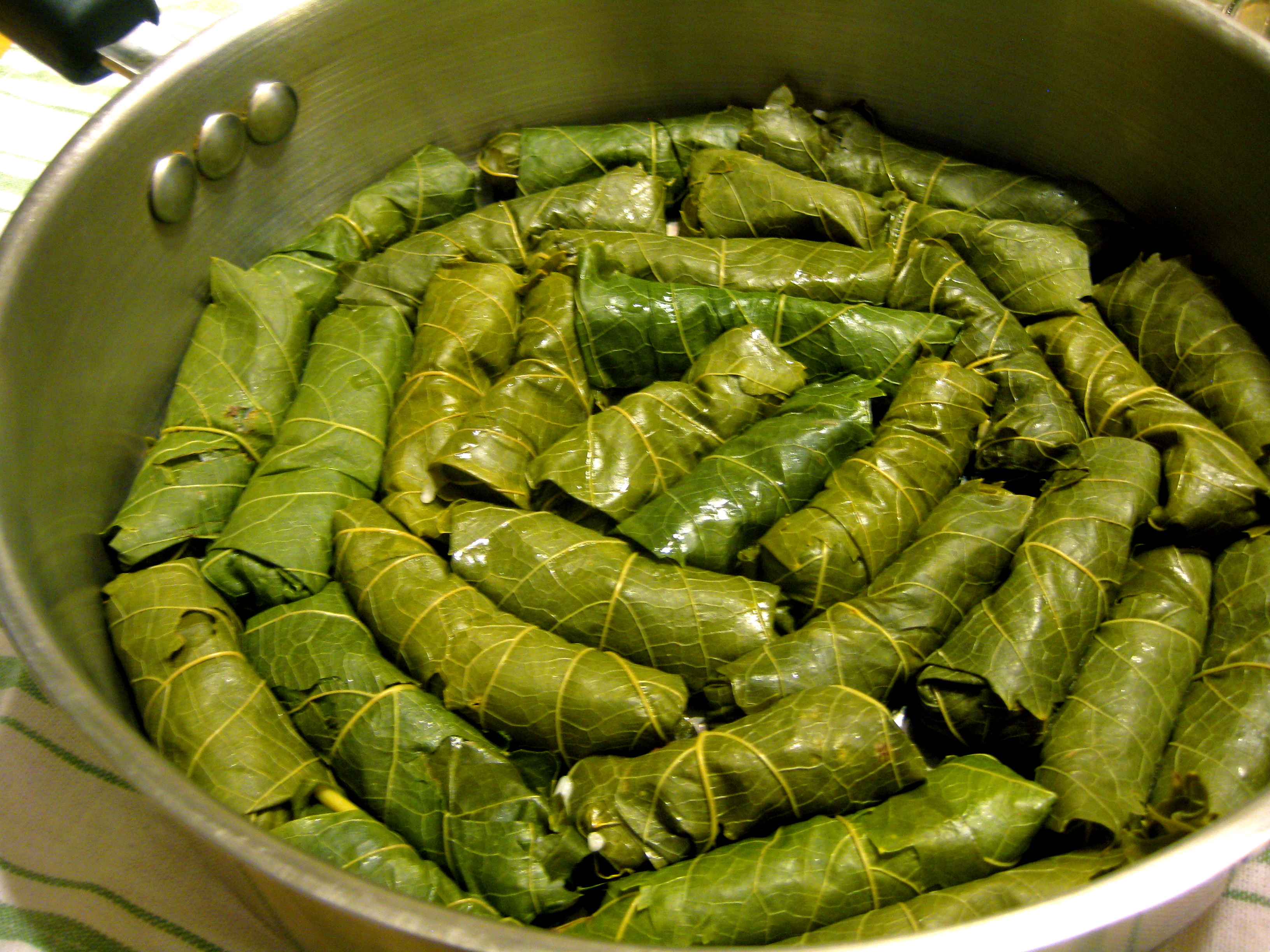
I love stuffed grape leaves. I love the tangy and tasty– slightly bitter but mouth-wateringly addictive– combination of olive oil and lemon juice. I love biting through the tightly-wrapped morsels and eating my fill of the soft bundles of rice.
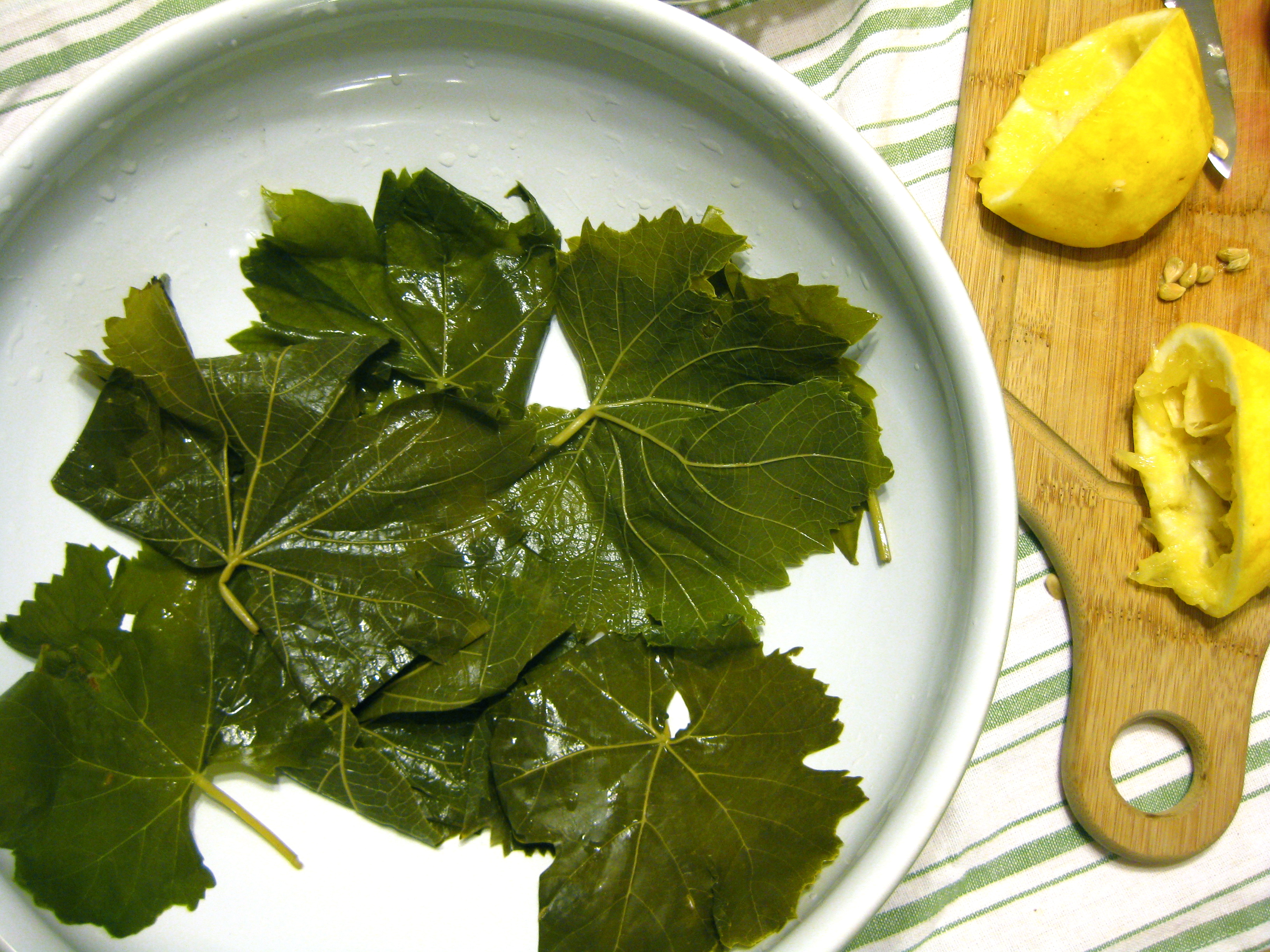
Unfortunately, some recipes seem like better ideas when you start than when you finish (or than when you’re two hours into making them and still not done). But believe me, just because I don’t have high praise for the speediness/success of this recipe doesn’t mean I won’t be trying it again. I just plan on making a few little tweaks next time…
Travel Photos: Markets and Street Food in Seoul

Rabokki, a fusion of tteokbokki rice cakes and ramen noodles, with oemuk fish cakes and a hard-boiled egg.
Dear readers,
I’m sorry I have been absent for nearly 3 weeks, and I hope it doesn’t happen again anytime soon. I have a very good excuse though… I just spent five days in Seoul, South Korea, trying to fit in all the eating (and food-photo-taking) that I could. And it. was. wonderful.

A giant bathtub-sized amount of Kkaktugi (Kimchi made from cubes of Daikon radish) being prepared for distribution.
Ok, five days is not 3 weeks. The real problem here is that I am having trouble finding enough big blocks of time to create new posts. I’m sure it happens to even the most experienced of bloggers, but it’s extra challenging for me since I’m still new at this.*
The point is, right now I am in Japan (!), writing about Korea. And no doubt soon (well after Thanksgiving) I will be back in California, writing about Japan.
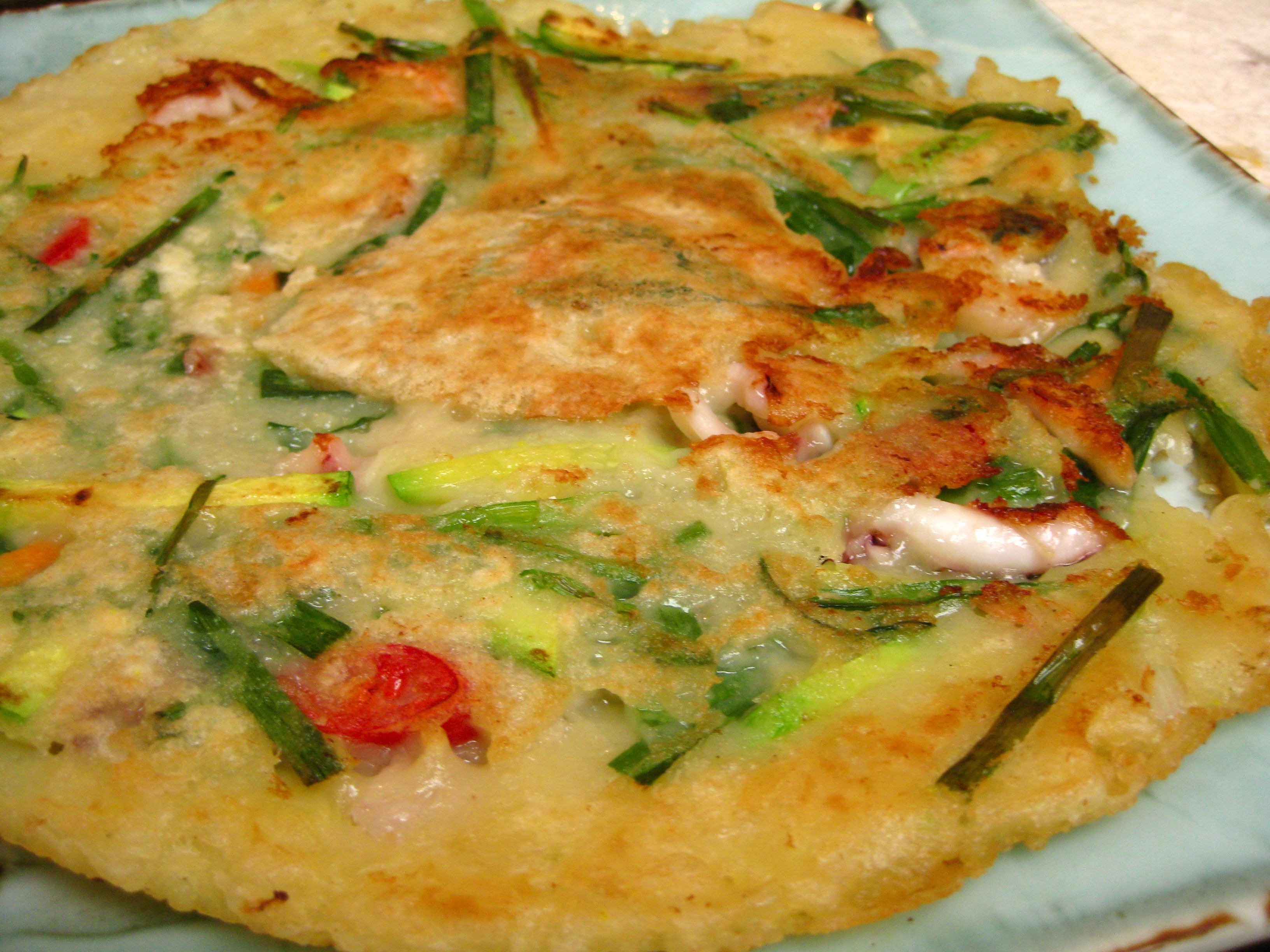
Hemul Pajon, a spicy squid and scallion pancake.
Continue Reading: Travel Photos: Markets and Street Food in Seoul…
Broiled Bulgogi Chicken
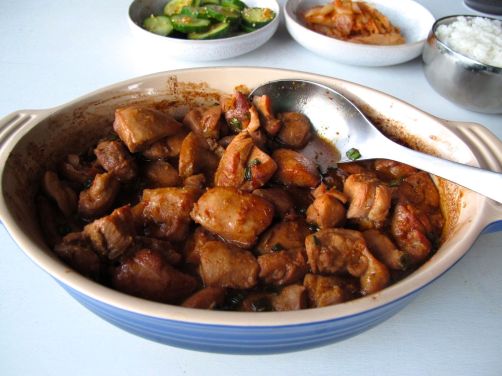

When I was in Seoul, I ate so many soups and noodles, bright red from chili peppers, that on occasionally encountering food that wasn’t RED, I had to briefly remind my brain that it was still edible.
I like spicy food. And by the transitive property of spiciness, I like Korean food, too. But not all Korean food falls under the crimson category; flavors other than chili– like garlic, sesame, and soy– are just as quintessential in Korean cuisine.
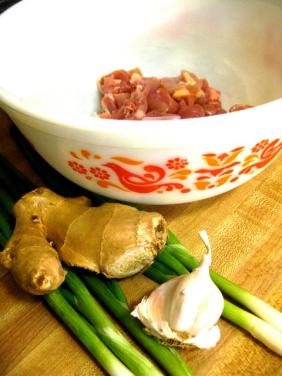
This easy bulgogi variation can be made spicy, or not. Either way, it’s really all in the marinade.
Iced Mugi-cha (Roasted Barley Tea)

This isn’t really a recipe, and it isn’t really summer anymore (well other than here in southern California), but don’t let that stop you. Before I take off next week for two months in Korea and Japan, I just wanted to share with you my love of mugi-cha (Japanese roasted barley tea).
It is the most refreshing and restorative summer time drink I can think of. I turn to it when I’ve already surpassed my caffeine limit for the day, when I’m feeling dehydrated yet unappetized by water, or after I arrive home from biking or yoga and need to cool off.

Japanese (むぎ茶 mugi-cha) and Korean (보리차 pori-cha) roasted barley tea bags
Mugi-cha is caffeine-free, but has a rich, almost coffee-like, nutty flavor. For me, an ice-cold pitcher of mugi-cha steeping in the fridge is one of the hallmarks of Japan in the summer. And a habit I’m not giving up anytime soon…
End-of-Summer Tomato Salad
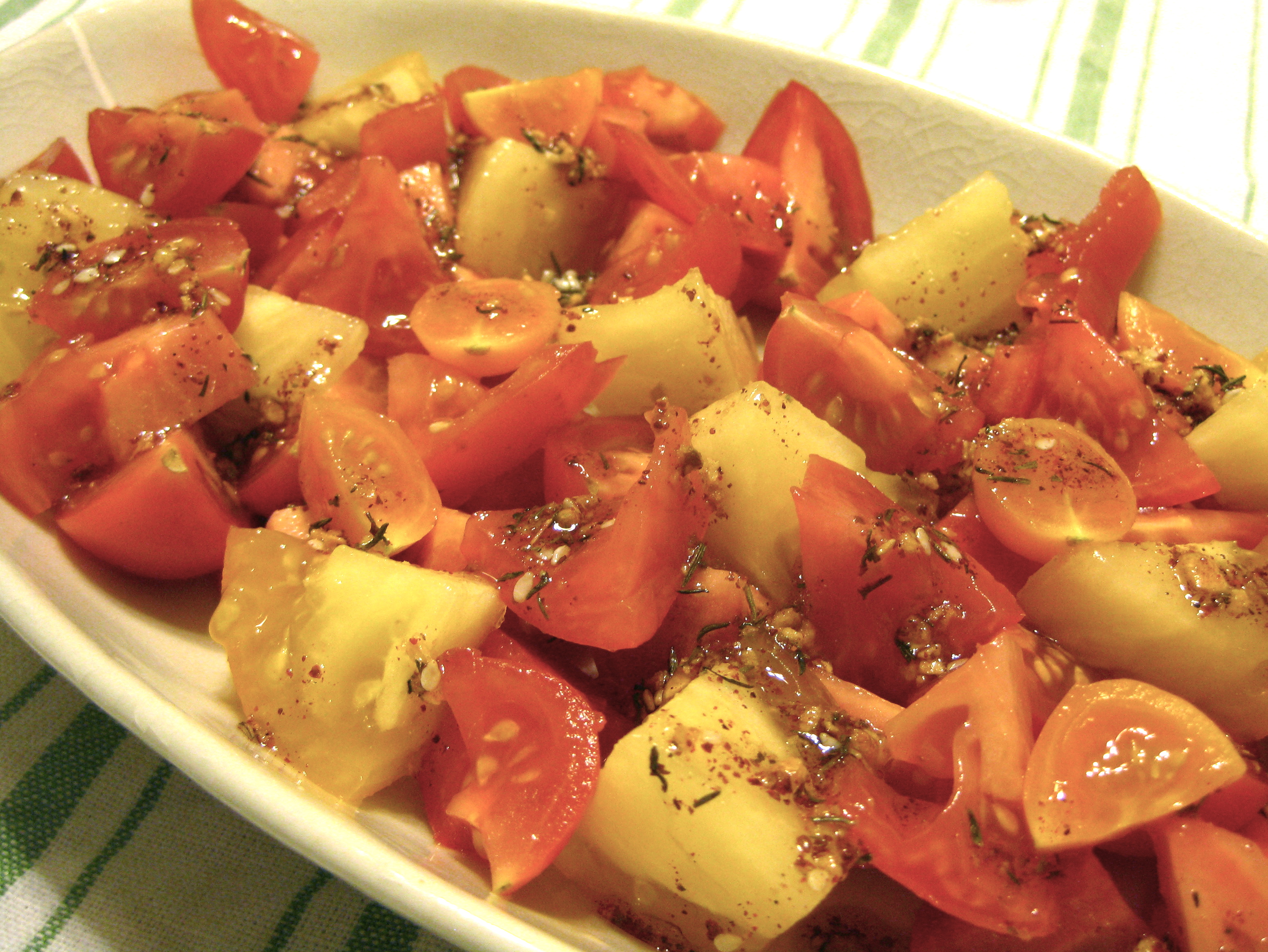
A few months ago, my friend Jill moved to Ventura, California and started a Garden Exchange. This is pretty much the brilliantest idea ever: not only can everyone in her neighborhood use the monthly Saturday morning exchanges as a social event to get to know each other, they can also bring their produce overflow from gardens, yards, and fruit trees to share with each other, and leave with a basket of their own filled with more local fresh fruit and vegetables from other people’s gardens, yards, and fruit trees.*
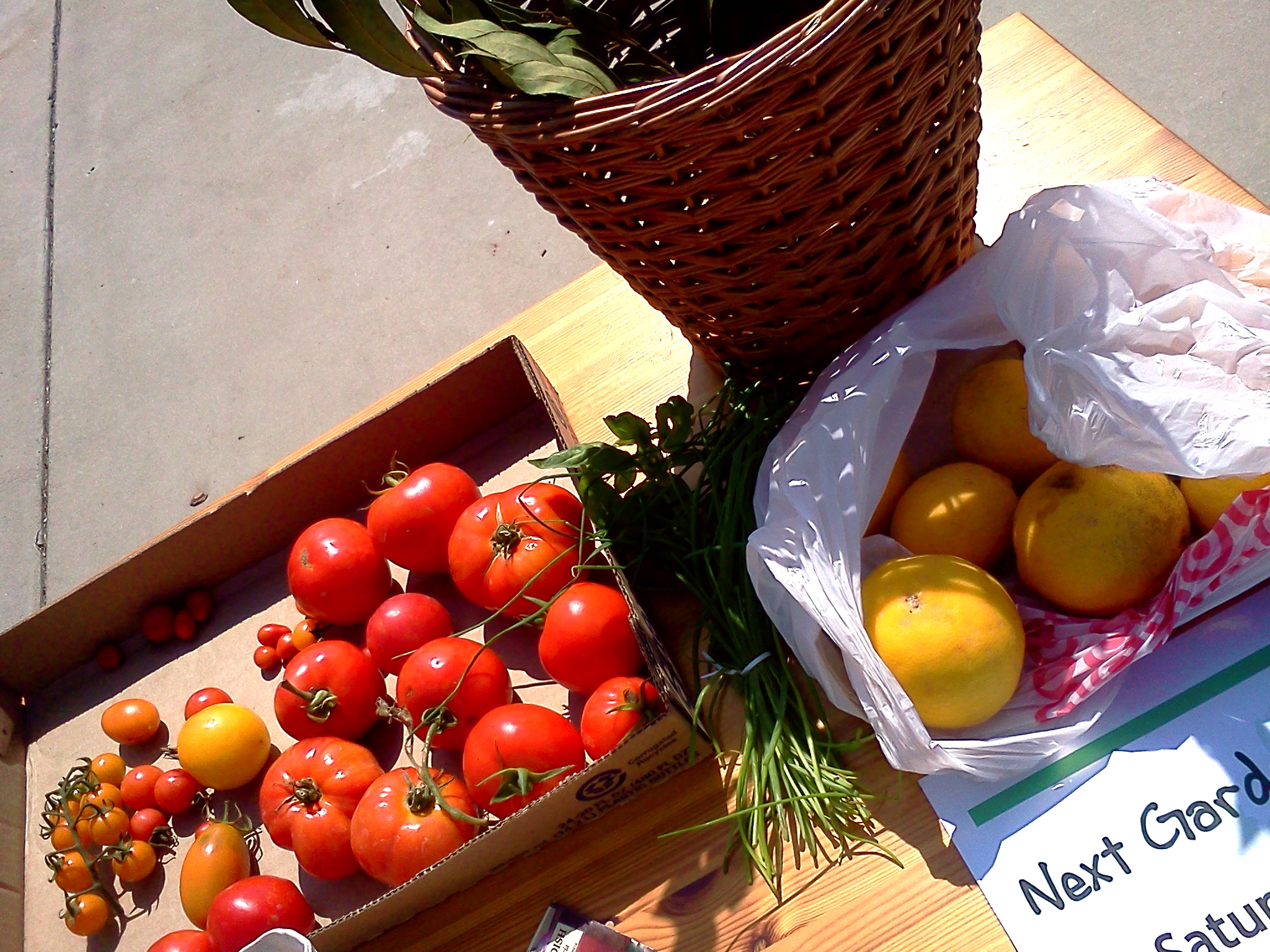
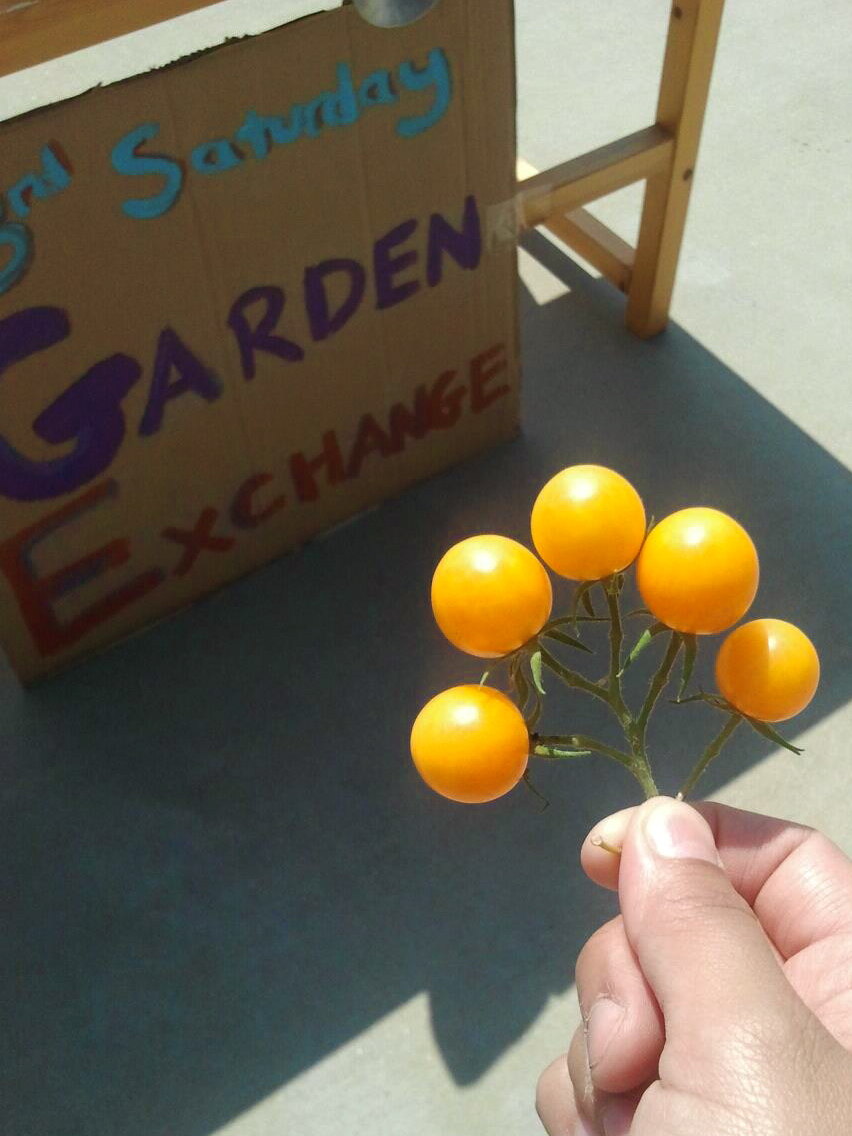
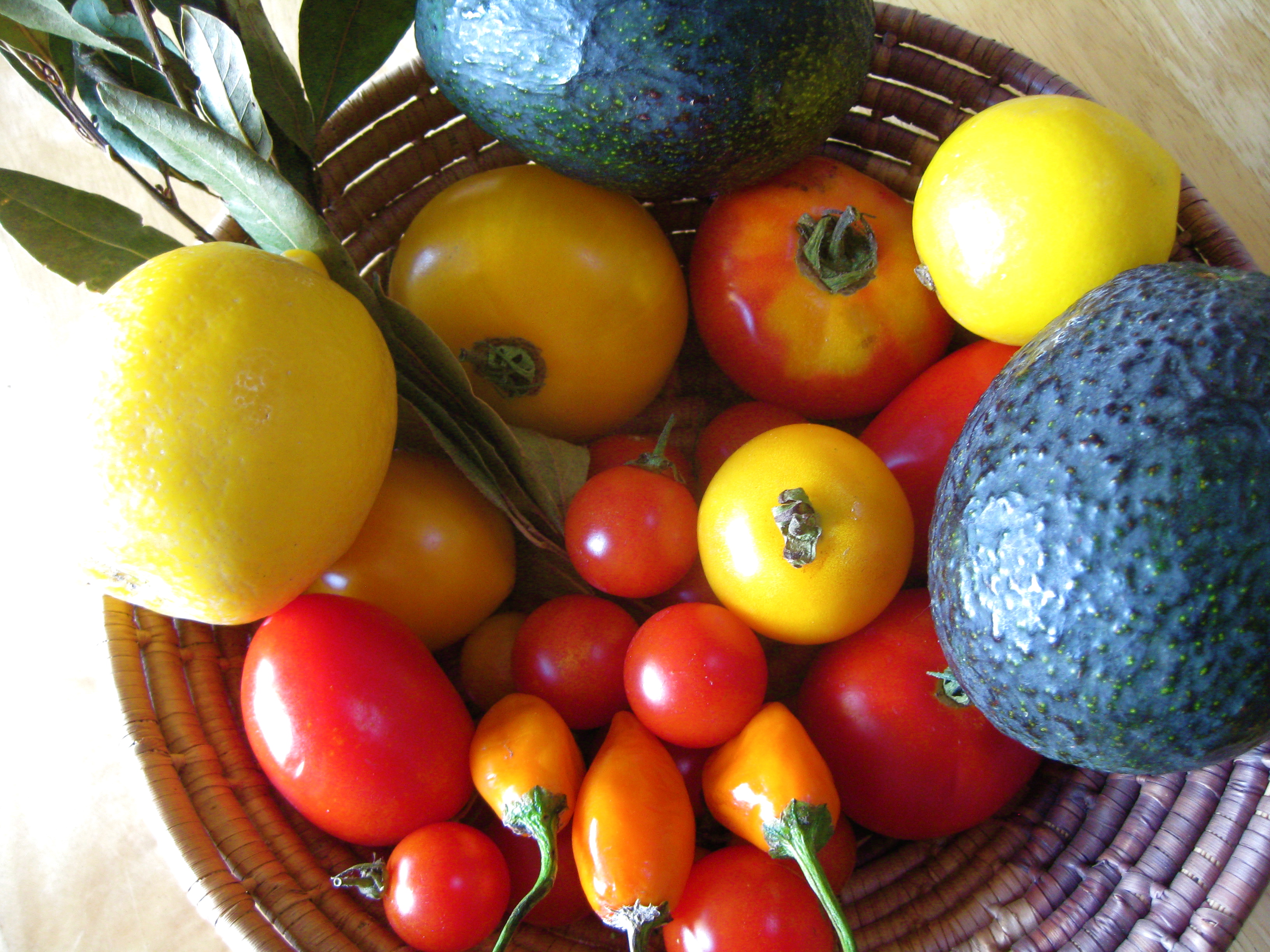
In July, Jill’s neighbors brought over: apples, blackberries, radishes, oranges, zucchini, avocados, lemons, tomatoes, bay leaves, and peaches. And in August: various squashes, figs, basil, apples, citrus fruits, green beans, chili peppers, and many many tomatoes. In September: more tomatoes and avocados, habañero peppers, bay leaves, figs, squash, chives, and lemons.
I’ve visited her now in time to catch two of these Garden Exchanges. And I felt bad that I had nothing to contribute (I live in a 2nd floor apartment, and have no yard for gardening**) but– after she distributed some of the extra food to the neighbors who couldn’t make it– at least I could help her out by volunteering to take home some of the extra avocados, lemons, figs, and tomatoes! (Anytime, Jill! Anytime…)












 spontaneous tomato